The project
Modelling of biotechnological processes in virtual environments based on the Internet of Things
Objectives, phases, results and benefits

What is the 3D Bioreactor Project?
Modelling of biotechnological processes in virtual environments based on the Internet of Things
Applied innovation project coordinated by the IQBB (Barcelona) with the participation of three other educational centers: IES Comte de Rius (Tarragona), IES A Sardiñeira (La Coruña) and IES Terrasa (Terrassa). The Spanish Federation of Biotechnologists (FEBiotec) also participates as an associated entity.
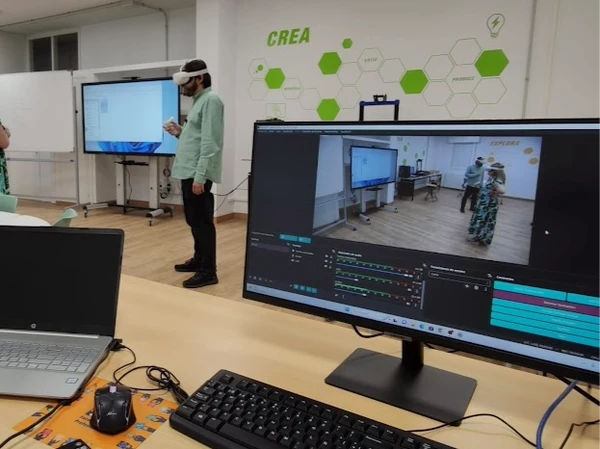
The project combines real experimentation in bioreactors, data transmission using IoT technology and the development of a 3D simulator in virtual reality. The objective is to offer VET students and teachers an advanced and safe training environment for the operation, maintenance and prevention of human error in biotechnological processes, responding to the needs of Industry 4.0 and 5.0.
Schools
Months of development
Release Year
Development phases
Project pillars
General objectives in 4 main axes

Industry 4.0 & Biotech
Develop professional skills linked to digitalisation and related to Industry 4.0 and Biotechnology.

Knowledge transfer
To transfer knowledge between participating schools and generate a body of content that can be transferred to other institutes.

Gender balance
Increase the participation of women in the biotechnology sector, promoting gender balance in VET STEAM profiles.

Methodological innovation
Promote work on intermodular projects, with transversal competences and interdepartmental collaboration.
What we get
Results: What We Have Achieved

Virtual Bioreactor 3D Simulator (executable application)
The most concrete result of the project. A computer executable application that simulates the complete fermentation process in a 250L bioreactor.

Two specialized training courses (FEBiotec)
Taught and shared via Google Classroom for VET teachers and higher education students: Training in Bioprocesses and Training in Synthetic Biology

Technical documentation of the experimental process
Complete documentation of the ethanol production process in bioreactor. It includes real operating data, parameters, set-points and protocols.

IoT monitoring system with machine vision (prototype)
A camera (ESP32-CAM) captures screen readings, processes them with AI on-premises (edge computing) and sends the data to the cloud via MQTT to the ThingSpeak platform. Includes published video tutorials.

Transferable teaching materials and guides
Practical guides, audiovisual resources and documentation of the experimental process, published and shared with the InnovaFP network, Fundació BCN-FP and the websites of the centres.

Full simulator mechanics and interactions
Interactions, gamification, sound, haptic feedback and VR optimization. Includes 3D model, navigation demo and the desktop simulator engine.
Impact
- ACADEMIC: updating of the contents of the chemical family and improvement of the technical competence of teachers and students.
- TECHNOLOGICAL: real digitalisation and simulation practices linked to Industry 4.0 and 5.0 integrated into VET.
- SOCIAL: visibility of Biotechnology and Vocational Training as a way to access strategic sectors, with the promotion of women's scientific vocation.
Presentation at the Annual Biotechnology Congress (Barcelona, June)
Dissemination and transfer action for teachers, students, companies and the biotechnology ecosystem.
Collaboration in innovation
Participating centres and agents

IQBB
Participating center and coordinator
BARCELONA
Institut Comte de Rius
Participating Center
TARRAGONA

IES A Sardiñeira
Participating Center
A CORUÑA

INS Terrassa
Participating Center
TERRASSA
Spanish Federation of Biotechnologists (FEBiotec)
Partner
LEON
Boost in education
Benefits for Centers
Project Gallery
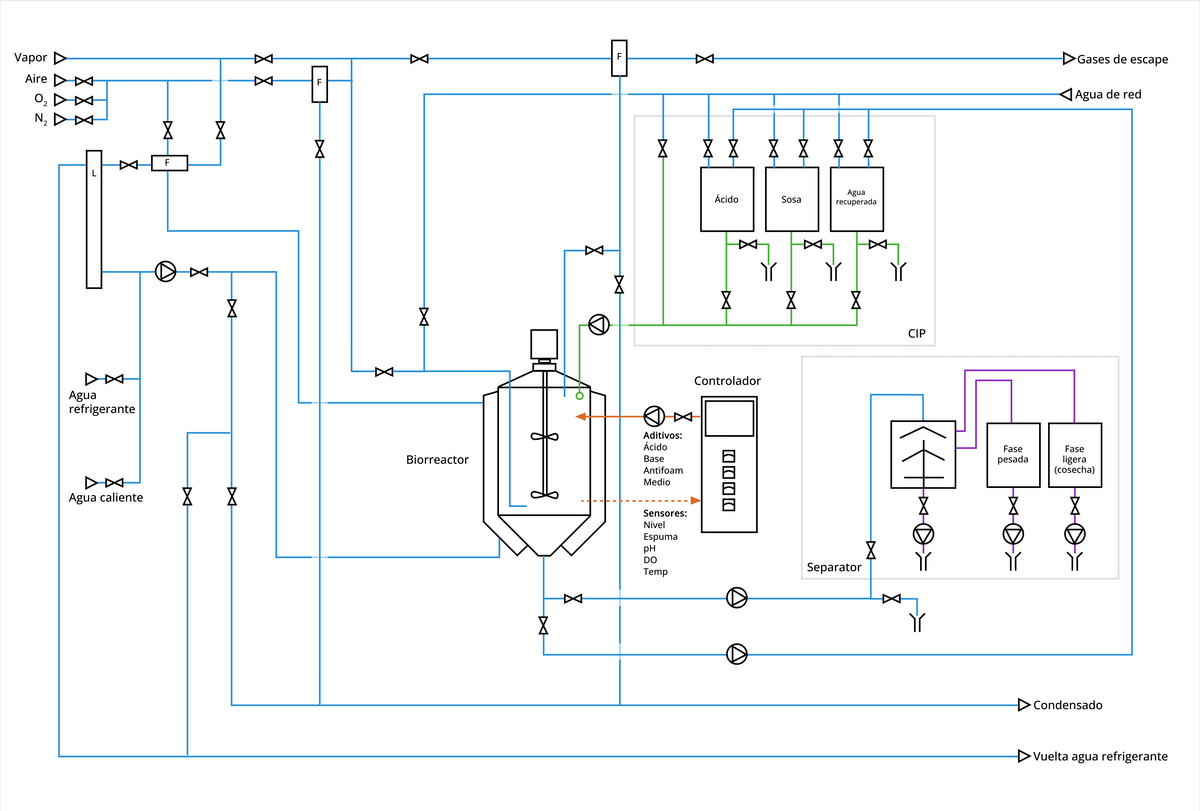
Mapa
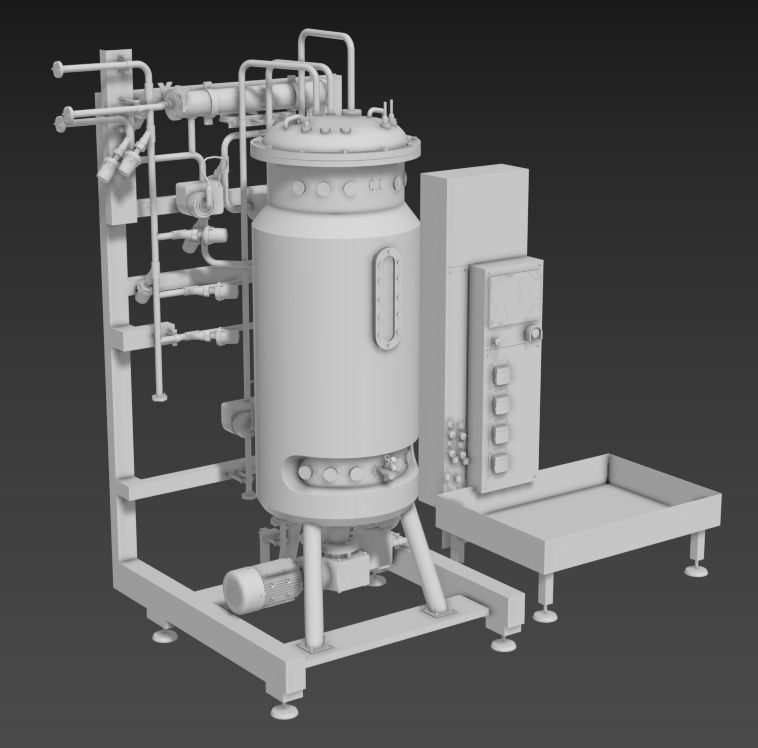
Modelización
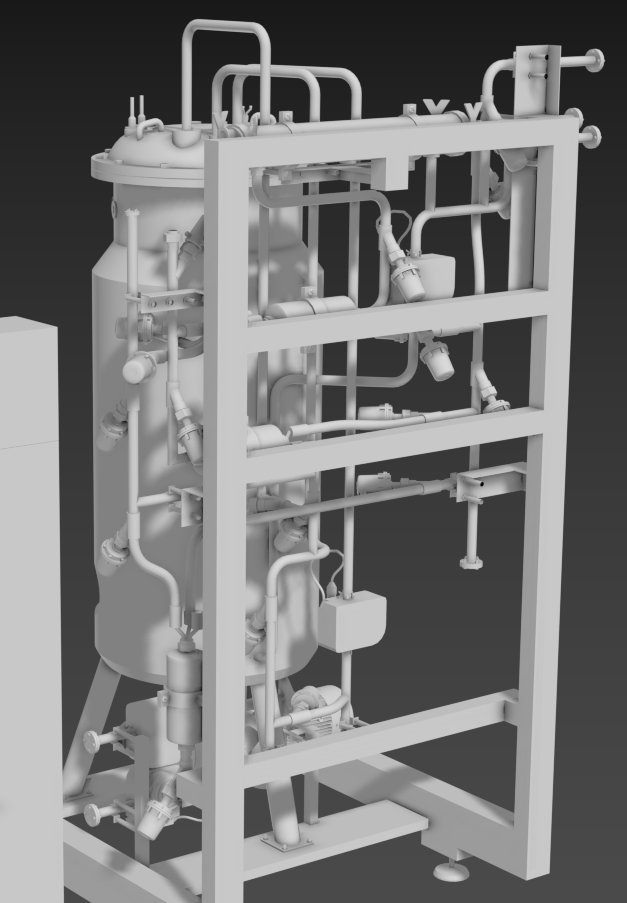
Modelización
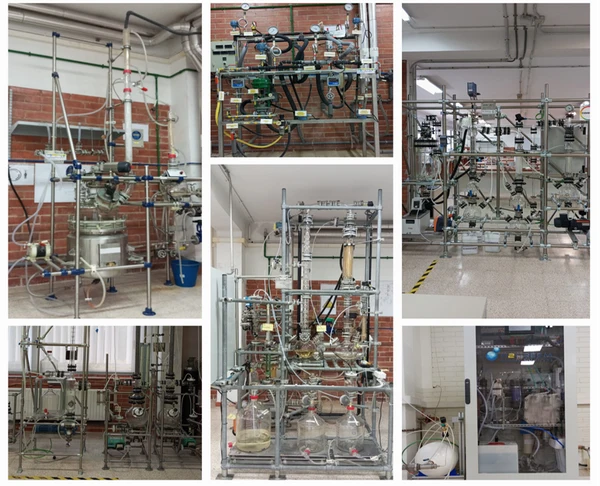
Equipamiento
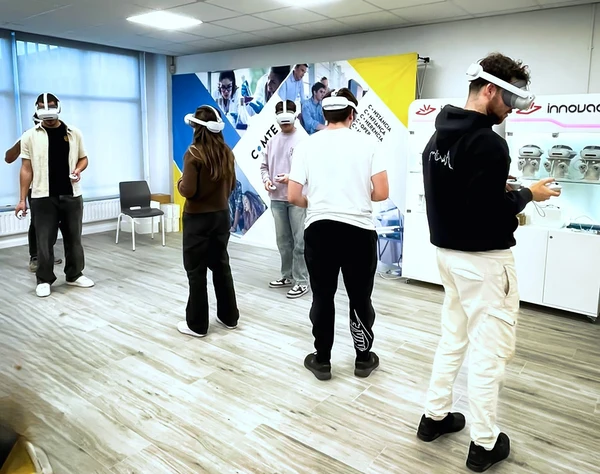
Experiencia VR
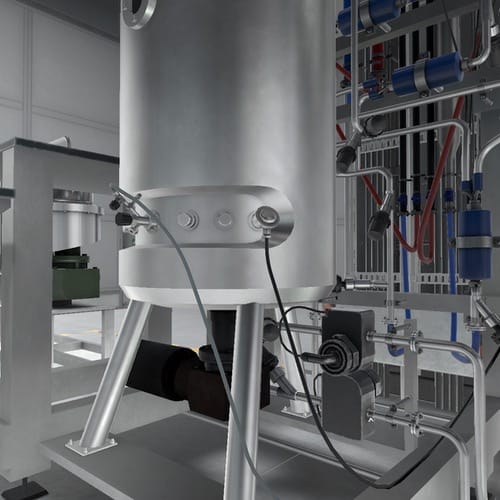
Modelización
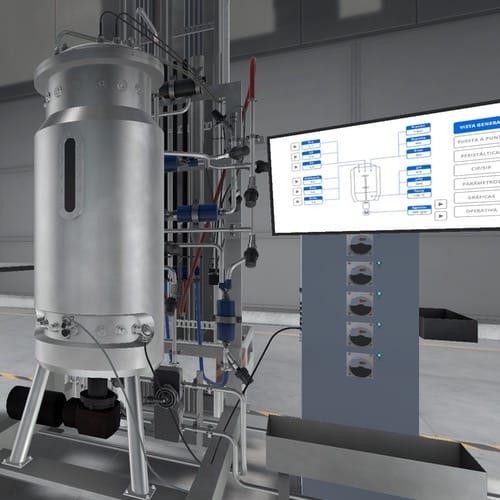
Bioreactor VR
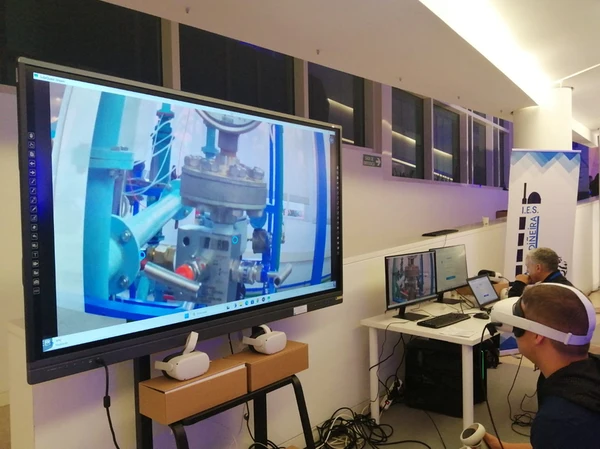
Experiencia VR